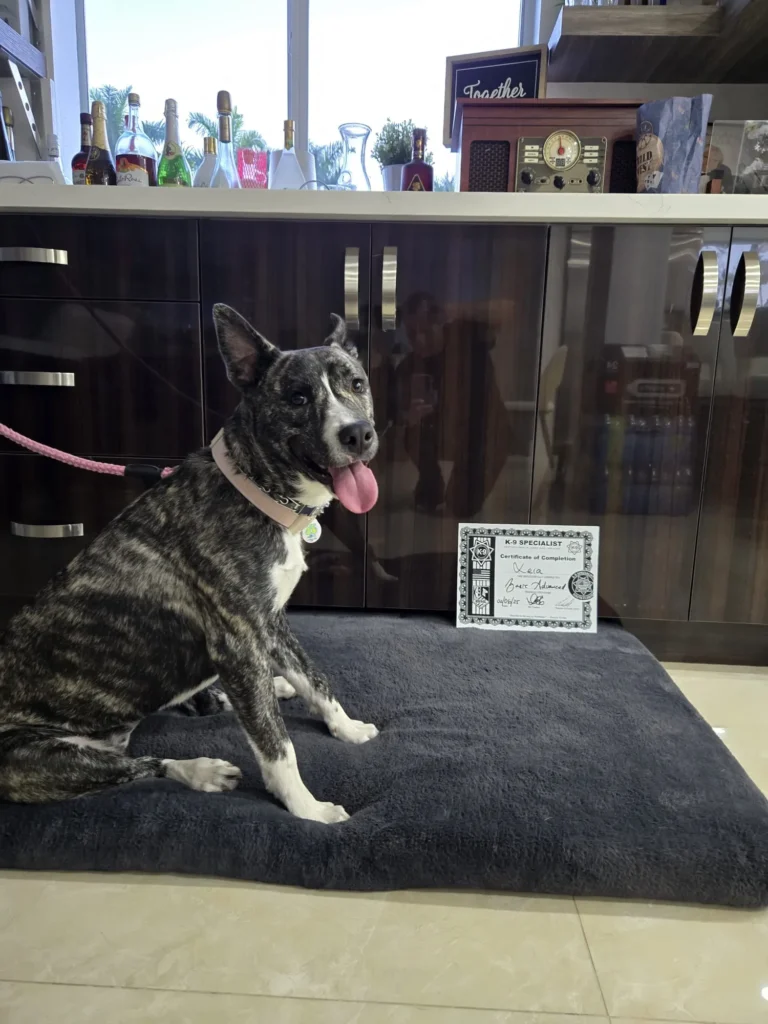
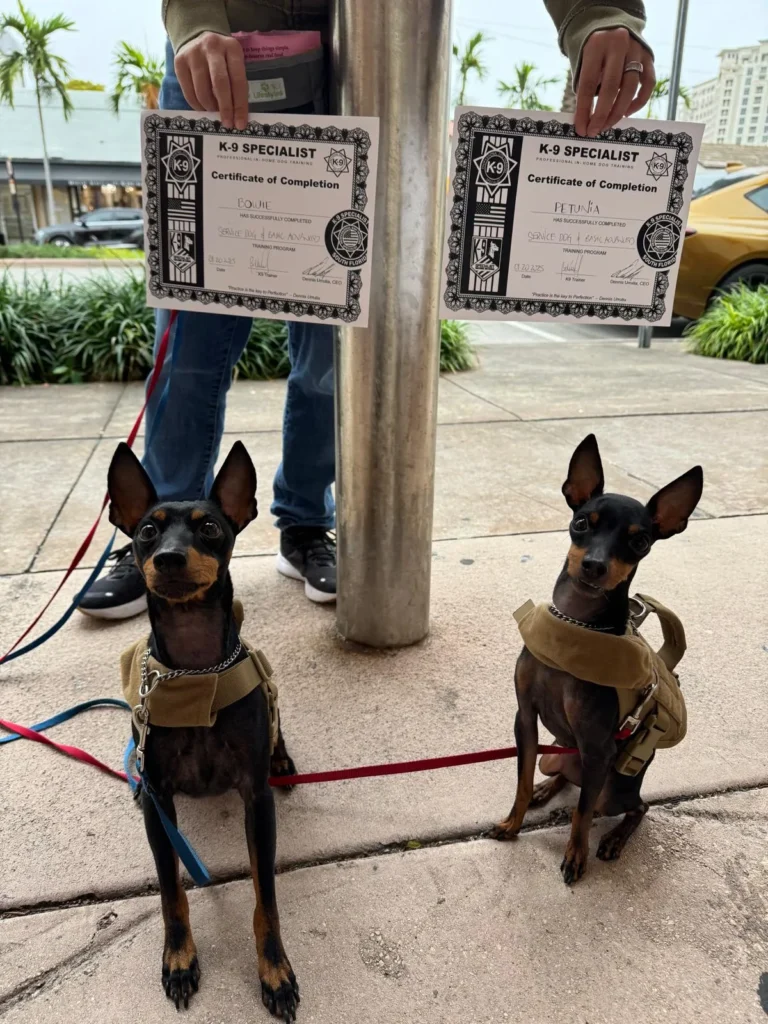
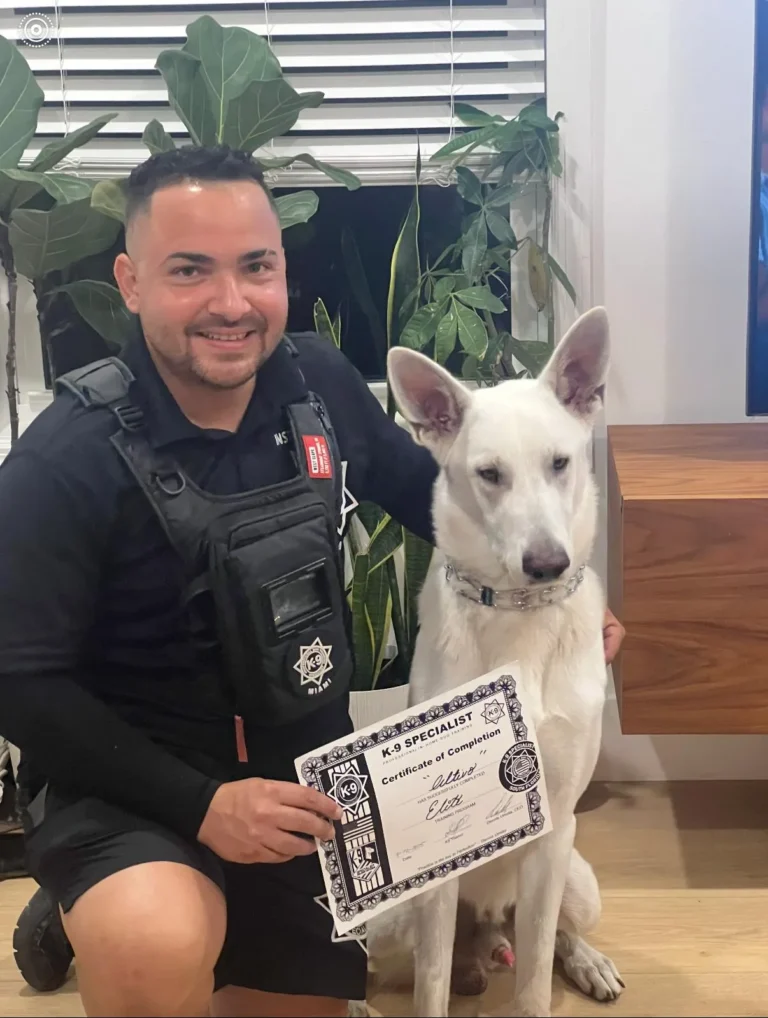
Why Dog Training in Miami Is Different Than Other Cities

dog training in miami

Dog training isn’t universal. What works in a quiet suburban town often fails in a fast-paced, high-distraction city like Miami. From crowded sidewalks to beach environments and year-round outdoor living, dog training in Miami presents challenges that many trainers in other cities never encounter.

If you’re a dog owner in South Florida, understanding why Miami dog training is different can help you choose the right approach—and the right Miami dog trainer—from the start.

Miami Is a High-Stimulation Environment for Dogs

Miami is not a calm city. It’s busy, loud, social, and constantly moving. For dogs, this means daily exposure to:

  • Heavy foot traffic

  • Other dogs in close proximity

  • Outdoor restaurants and cafes

  • Loud music, traffic, scooters, and bikes

  • Beach activity, water, and wildlife

  • Tourists and unfamiliar people year-round

In quieter cities, dogs may only face these distractions occasionally. In Miami, they’re part of everyday life. That’s why Miami dog training must focus on real-world obedience, not just commands practiced indoors.

A dog that listens perfectly at home may completely ignore commands once exposed to Miami’s environment. This is where professional K9 training in Miami becomes essential.

Year-Round Outdoor Living Changes Training Needs

Unlike colder cities where dogs spend months indoors, Miami dogs are outside all year. Walks, parks, beaches, patios, and public spaces are part of daily routines.

This constant exposure means dogs need:

  • Strong leash discipline

  • Reliable recall under distraction

  • Calm behavior around strangers and dogs

  • Impulse control in stimulating environments

In many cities, basic obedience is enough. In Miami, dog training must be distraction-proof, or it simply doesn’t hold up.

A qualified dog trainer in Miami understands how to train dogs in motion, not just in controlled settings.

Miami’s Dog-Friendly Culture Raises the Bar

Miami is one of the most dog-friendly cities in the U.S. Dogs are welcome in condos, cafes, parks, beaches, and even some retail spaces. But with that freedom comes responsibility.

Untrained dogs quickly become a liability in shared spaces. Common issues Miami trainers see include:

  • Lunging at other dogs on sidewalks

  • Overexcitement in public spaces

  • Jumping on strangers

  • Fear-based reactivity in crowds

  • Ignoring commands around distractions

That’s why dog training in Miami must go beyond basic obedience. Dogs need to be calm, confident, and socially neutral—not overly reactive or fearful.

Condo and Apartment Living Requires Advanced Control

Miami has one of the highest concentrations of condos and apartments in the country. This creates unique challenges for dog owners:

  • Elevators

  • Tight hallways

  • Shared common areas

  • Close contact with other dogs

  • Noise sensitivity

A dog that struggles with leash manners or reactivity can turn daily routines into stressful events. Miami dog trainers must address these challenges directly, teaching dogs how to stay calm in confined, high-pressure spaces.

This is where structured K9 dog training in Miami—focused on impulse control and handler engagement—makes a noticeable difference.

Heat, Energy Levels, and Behavior

Miami’s climate affects dog behavior more than most owners realize. Heat and humidity can:

  • Increase irritability and frustration

  • Reduce focus and patience

  • Shorten attention spans during training

Training methods that work in cooler climates may overwhelm dogs in Miami if not adapted correctly. Experienced dog trainers in Miami know how to balance intensity, timing, and recovery so dogs stay engaged without becoming overstimulated.

Why K9 Training Works Especially Well in Miami

Many people assume K9 training is only for police or protection dogs. In reality, K9-style training emphasizes clarity, structure, and reliability under pressure—exactly what Miami dogs need.

K9 training in Miami focuses on:

  • Clear communication between dog and handler

  • Obedience under high distraction

  • Calm behavior in unpredictable environments

  • Confidence without aggression

This approach benefits family dogs just as much as working dogs, especially in a city as dynamic as Miami.

Choosing the Right Dog Trainer in Miami Matters More Than Ever

Because Miami presents unique challenges, not every trainer is equipped to handle them. A qualified Miami dog trainer should:

  • Train dogs in real-world environments, not just indoors

  • Understand urban behavior challenges

  • Customize training based on lifestyle and location

  • Focus on long-term behavior, not quick fixes

At K-9 Specialist, dog training in Miami is designed specifically for the realities of South Florida living. Training happens where behavior matters most—on streets, in public spaces, and in everyday life.

Final Thoughts

Dog training in Miami is different because Miami is different. The city’s energy, climate, and lifestyle demand a higher level of obedience, confidence, and control from dogs.

Whether you’re raising a puppy, training an adult dog, or dealing with behavioral challenges, working with a professional who understands Miami dog training makes all the difference.

The right training doesn’t just teach commands—it prepares your dog to thrive in one of the most dynamic cities in the country.
Is Professional Service Dog Training Worth It? Here’s What You Should Know

service dog training

For many individuals with disabilities or health conditions, a service dog is more than just a companion—it’s a lifeline. But achieving the level of reliability and behavior expected from a service dog takes structured, expert-level training. If you’re wondering whether professional service dog training is worth the investment, this guide will break down everything you need to know.

From understanding the real benefits to decoding the service dog training cost and choosing the best service dog trainer, this article helps pet owners and families make an informed decision.

What Makes Service Dog Training Different?

Service dog training is not your average obedience class. While most dogs learn basic commands, service dogs are trained to perform specific tasks that assist their handler’s medical needs. These may include:

  • Guiding the visually impaired

  • Alerting to seizures or blood sugar changes

  • Supporting mobility or balance

  • Interrupting panic attacks

  • Retrieving dropped items

This level of functionality requires months (or even years) of structured, task-based dog training programs led by certified professionals.

Why Professional Training Matters

While DIY training can be a starting point, professional service dog training programs ensure consistency, reliability, and legal compliance. Here’s why hiring a certified service dog trainer is essential:

  • Consistency: Professional programs follow standardized protocols to develop dependable service behavior.

  • Public Access Preparation: Trainers teach dogs how to behave in public spaces (restaurants, malls, airplanes).

  • Legal Protection: A professionally trained service dog is more likely to meet the requirements of the ADA or similar laws.

If you’re considering training for a service dog in Miami or South Florida, it’s crucial to work with a team that has hands-on experience and a proven track record—like K-9 Specialist.

Understanding Service Dog Training Costs

There’s no one-size-fits-all pricing for service dog training, as costs vary based on the following:

  • Dog’s age and current training level

  • Type of disability being supported

  • Program duration and intensity

  • Whether the dog is owner-trained or from a breeder

While high, these costs reflect the depth of time, customization, and expertise required to train a reliable service dog. Think of it as a long-term investment in independence, safety, and quality of life.

How to Choose the Best Service Dog Training Program

When looking for the best service dog training in your area, ask the following:

  • Does the program include task-based training and public access testing?

  • Are trainers certified and experienced with medical or psychiatric support dogs?

  • Will the dog be trained with the handler involved (ideal) or independently?

For those seeking service dog training in Miami, K-9 Specialist offers full-spectrum programs that walk with you from evaluation to graduation.

Explore our Service Dog Training Program to learn more.

Key Benefits of a Professionally Trained Service Dog

  • Greater independence for the handler

  • Reduced risk of public access denial

  • Safety and predictability in public spaces

  • Emotional and mental support backed by trained reliability

  • Enhanced quality of life for both the handler and dog

Final Thoughts

Investing in professional service dog training is about far more than teaching commands—it’s about transforming a dog into a daily support system tailored to your specific needs.

Whether you’re just starting your search for a service dog training program, or evaluating whether to continue DIY training, the right guidance from a qualified service dog trainer can make all the difference.

5 Proven Dog Behavior Modification Techniques That Actually Work

Dog Behavior Modification

Behavior issues in dogs can be frustrating, overwhelming, and even dangerous when left unaddressed. From excessive barking to aggressive behavior, these challenges go beyond what basic obedience training can fix. That’s where behavior modification dog training becomes essential.

At K-9 Specialist in Miami, we’ve worked with countless families facing serious canine behavioral problems. Using proven methods backed by real results, we offer customized dog behavior modification programs that bring lasting transformation. In this article, we’ll walk you through the most effective behavior modification techniques for dogs and why professional help makes a difference.

Understanding Dog Behavior Modification Training

Dog behavior modification training goes beyond teaching commands. It addresses the underlying emotional or psychological triggers behind unwanted behaviors such as fear, anxiety, aggression, or compulsive habits.

Unlike standard training that reinforces behaviors, behavior modification techniques focus on reshaping how your dog perceives certain triggers, environments, or situations.

1. Desensitization

Desensitization involves gradually and safely exposing your dog to a stimulus that typically causes a fear or aggressive response. Over time, the dog becomes less sensitive and reactive.

Example: A dog afraid of other dogs is slowly introduced to them at increasing distances, without pressure or forced interaction.

Best for:

  • Fear-based aggression

  • Phobias (thunderstorms, fireworks)

  • Leash reactivity

2. Counter-Conditioning

Counter-conditioning pairs the fear-inducing trigger with something your dog loves—like treats or toys—to change their emotional response.

Example: If your dog growls at the vacuum, reward them with high-value treats while it’s off, then on, building a new positive association.

Best for:

  • Separation anxiety

  • Reactivity to other dogs or strangers

  • Territorial behavior

3. Threshold Management + Positive Reinforcement

Dogs have a stress threshold. If they’re pushed too far too fast, they react negatively. This method involves keeping the dog under threshold while rewarding calm, desirable behavior.

Why it works: Dogs learn best when calm. Rewarding them before they react helps rewire their response to triggers.

Best for:

  • Barking or lunging on leash

  • Hyperactivity around guests

  • Overstimulation in public spaces

4. Redirection & Focus Building

Redirecting your dog’s attention to a trained behavior (like eye contact or sitting) when they’re triggered gives them a constructive outlet.

Example: Instead of barking at a cyclist, the dog is taught to look at you for a treat when one approaches.

Best for:

  • Jumping

  • Herding or chasing behavior

  • Impulse control issues

5. Professional Dog Behavior Modification Programs

While some techniques can be practiced at home, complex behavioral problems often need professional intervention. A structured program from K-9 Specialist includes:

  • In-depth behavior assessments

  • Customized training plans

  • One-on-one sessions with experienced behavior specialists

  • Home integration strategies for long-term success

These dog behavior modification programs are designed for dogs struggling with:

  • Aggression toward people or pets

  • Compulsive behaviors (e.g., tail chasing, chewing)

  • Severe anxiety or trauma recovery

Why K-9 Specialist is the Right Fit

Located in Miami, K-9 Specialist has helped hundreds of dogs overcome behavioral challenges using safe, proven methods tailored to each dog’s temperament and history. Our programs combine:

  • Expert trainers in behavior modification dog training

  • Real-world training environments

  • Long-term support and follow-up care

We don’t just manage symptoms—we target the source of the behavior.

Explore our Dog Behavior Modification Program for a deeper look.

Final Thoughts

Behavior issues can put a strain on your relationship with your dog—but the good news is, change is possible. Whether you’re dealing with reactivity, fear, or aggression, these dog behavior modification techniques can make a real difference.

If you’re ready to take the next step, our team at K-9 Specialist is here to help. Let’s transform your dog’s behavior together.

Dog Training in Miami: How to Choose the Best K9 Program for Your Dog

Dog Training in Miami

Finding the right dog trainer in Miami isn’t just about convenience—it’s about results. Whether you’re looking for basic obedience or advanced K9 training in Miami, choosing a professional who understands your dog’s needs and behavior can make all the difference.

At K-9 Specialist, we provide personalized, high-level dog training in Miami for puppies, adults, service dogs, and even aggressive or anxious pets. Here’s what every Miami pet owner should know before selecting a training program.

Why Dog Training Matters in a City Like Miami

Miami’s fast-paced environment, heavy foot traffic, and dog-friendly public spaces mean your dog needs more than just basic commands. Without the right training, dogs can develop leash aggression, social anxiety, or ignore verbal cues entirely.

Choosing the right Miami dog trainer helps your dog:

  • Stay calm in busy environments

  • Obey commands in public and at home

  • Socialize safely with other pets and people

  • Eliminate problem behaviors before they escalate

Types of Dog Training Programs Offered in Miami

Not all dogs need the same type of training. A good dog training program in Miami will offer:

  • Basic Obedience Training: Sit, stay, come, leash manners

  • Behavior Modification: Correcting aggression, anxiety, reactivity

  • Service Dog Training: For support and medical response tasks

  • K9 Protection Training: For personal or property protection

  • Puppy & Adult Dog Training: Age-specific learning plans

At K-9 Specialist, we offer all of the above with customized plans for each dog.

What to Look for in a Miami Dog Trainer

Before committing to a training program, evaluate the following:

  • Experience & Certifications: Is the trainer experienced in your dog’s breed and issues?

  • Facility Environment: Is the training done in varied settings for real-world results?

  • Success Stories: Are there local client testimonials?

  • Program Customization: Is training tailored to your dog’s behavior and age?

  • Specialties: Do they handle protection, behavior, or service training?

K-9 Specialist has trained thousands of dogs across South Florida, from Miami Beach to Broward County, with proven success in even the most challenging cases.

Why K9 Training in Miami Goes Beyond Sit & Stay

When people think of K9 training in Miami, they often imagine military-style dogs. But in reality, our programs teach advanced obedience, protection, and behavioral control that any dog can benefit from; even as a family pet.

Our K9 training includes:

  • Controlled aggression response

  • Property perimeter training

  • Bite inhibition and release on command

  • High-distraction obedience

  • Real-world scenario simulations

If you’re looking for dog protection training in Miami or reliable personal safety from your pet, this is the program for you.

Local Expertise. Real Results.

Our Miami dog training clients include families, professionals, retirees, and first-time dog owners. What they all have in common is a desire for a well-mannered, confident, and happy dog.

From Brickell to Coral Gables to Miami Beach, we provide in-facility, in-home, and hybrid dog training options to meet your schedule and your dog’s needs.

Why Choose K-9 Specialist for Dog Training in Miami?

  • Over 20 years of experience in Miami dog training

  • Experts in K9 training, behavior modification, and service dog certification

  • 5-star Google reviews from pet parents across Miami-Dade

  • Certified programs for puppies, adult dogs, and aggressive behavior cases

Explore our services:

Final Thoughts

Investing in dog training in Miami isn’t just about discipline, it’s about giving your dog the freedom to thrive in one of the most dynamic cities in the U.S. Whether you need help with puppy manners or advanced K9 training in Miami, we’re here to help.

Book a consultation with K-9 Specialist today and discover how our proven methods can transform your dog.

Adult Dog Training 101: Tips, Programs & Classes to Transform Older Dogs

adult dog training

Think it’s too late to train your adult dog? Think again. Whether you’ve adopted an older pup or your lifelong companion has picked up some bad habits, structured adult dog training can transform your dog into a calm, obedient, and confident companion.

At K-9 Specialist, we offer expert-led adult dog training programs in Miami tailored to your dog’s needs, behavior history, and learning pace. Here’s everything you need to know to make the most of training your adult dog.

Why Adult Dog Training Matters

Many pet owners assume that training is only effective during puppyhood. But adult dogs are highly capable of learning new commands, unlearning bad behaviors, and adapting to new environments—especially with the right structure and consistency.

Top reasons to invest in adult dog training:

  • Correct behavior issues like jumping, pulling, or barking

  • Improve focus and obedience around distractions

  • Build confidence in reactive or fearful dogs

  • Create stronger communication between dog and owner

Common Challenges Adult Dog Training Can Fix

Older dogs may come with ingrained habits. A professional adult dog training class can help you address issues such as:

  • Leash reactivity or lunging

  • Selective hearing and ignoring commands

  • Separation anxiety or destructive behavior when alone

  • Aggression toward people or other dogs

  • Overexcitement around visitors or stimuli

These behaviors often stem from lack of structure or inconsistent reinforcement in the past. That’s where a structured adult dog training program comes in.

How Our Adult Dog Training Program Works

At K-9 Specialist, our training approach is rooted in real behavior science. We tailor each program based on your dog’s age, temperament, and specific challenges.

Our adult dog training program includes:

  • Initial behavior assessment and temperament evaluation

  • Custom training plan with achievable milestones

  • On-leash and off-leash obedience training

  • Distraction-proofing around people, pets, and places

  • Owner education and handler communication

Our sessions are available as private adult dog training classes, semi-private, or as part of extended programs for advanced results.

What to Expect in an Adult Dog Training Class

Our adult dog training classes are structured yet flexible to accommodate real-world needs. Each class typically includes:

  • Basic to advanced obedience drills

  • Correction techniques for unwanted behaviors

  • Structured socialization and impulse control

  • Recall and heel reinforcement

  • Real-time coaching for pet parents

We train in both controlled and natural environments so that your dog learns to follow commands anywhere—not just at the training center.

Pro Tips for Training Adult Dogs at Home

While professional training provides a strong foundation, consistency at home is key. Here are a few essential adult dog training tips:

  • Be consistent with commands and rewards

  • Avoid punishment; use corrections paired with redirection

  • Practice daily in short sessions (10–15 minutes)

  • Reinforce commands in multiple settings

  • Stay calm and patient, especially when correcting ingrained habits

Remember: Adult dogs may take longer to adjust, but they can absolutely thrive with the right approach.

When to Hire a Professional Trainer

If your adult dog shows signs of:

  • Aggression or reactivity

  • High anxiety or stress

  • Unresponsiveness to verbal commands

  • Sudden behavioral changes

…it’s time to seek help. A certified professional understands how to balance correction with care, and how to read your dog’s body language for optimal results.

K-9 Specialist has helped hundreds of families across South Florida turn their adult dogs into well-behaved, reliable companions.

Final Thoughts

Adult dogs aren’t untrainable—they just need a different approach. With expert guidance, realistic goals, and consistency, even the most stubborn behaviors can be corrected.

If you’re in Miami or South Florida, our adult dog training programs are designed to meet your pet where they are and guide them toward lasting obedience.

FAQ: Adult Dog Training

Q: Can older dogs still learn new commands?
Yes! Adult and even senior dogs can learn commands, behavior boundaries, and socialization skills with proper training.

Q: Is adult dog training harder than puppy training?
It can be more complex due to unlearning old habits, but adult dogs often have better focus and longer attention spans.

Q: How long does adult dog training take?
Programs vary, but most see results within 3–6 weeks of consistent sessions.

Q: Do you offer adult dog socialization classes?
Yes, we offer structured classes that help adult dogs learn to behave around other dogs and people in public environments.

Puppy Training Class vs. In-Home Training: What’s Best for Your Pup?

puppy training in miami

Choosing the right training path for your new puppy is one of the most important decisions you’ll make as a dog owner. With so many options—group classes, private sessions, local puppy training schools—how do you know what’s best?

Should you enroll in a structured puppy training class, or is in-home training the better fit for your lifestyle and your dog’s unique needs?

In this guide, we’ll compare both options to help you confidently choose the right foundation for your pup’s behavior, confidence, and future success.

The Importance of Early Puppy Training

Before we dive into formats, let’s be clear—early training is essential. Puppies are in their most impressionable stage between 8 to 16 weeks. This is the ideal window to teach basic obedience, social boundaries, and introduce them to new environments.

Delaying structure often leads to behavioral issues like:

  • Jumping

  • Biting or nipping

  • Fear-based reactivity

  • Difficulty with recall and leash manners

  • Excessive barking or housebreaking delays

A professionally led dog training class or private puppy training program provides the structure and social learning your puppy needs to thrive.

What Happens in a Puppy Training Class?

A puppy training class is a group-based setting where multiple puppies and owners train together under the guidance of a professional trainer. These classes often take place at a training facility and follow a structured curriculum.

Benefits of Group Puppy Training Classes:

  • Socialization: Your puppy learns how to interact safely with other dogs and people

  • Distraction-proofing: Commands are reinforced in real-world, stimulating environments

  • Routine structure: Classes follow a weekly progression, helping you stay consistent

  • Peer learning: You see how other pet owners navigate challenges

  • Affordability: Often more cost-effective than one-on-one sessions

If you’re searching for local puppy training in Miami, a class-based program like ours at K-9 Specialist can give your pup early exposure to group dynamics—crucial for long-term confidence.

What Is In-Home Puppy Training?

In-home training offers personalized guidance in your dog’s natural environment. A trainer comes to your home, evaluates your puppy’s behavior, and customizes the training plan based on household needs.

Benefits of In-Home Training:

  • Tailored solutions: Great for specific behavior issues like housebreaking or crate anxiety

  • One-on-one attention: Every session is focused solely on your puppy

  • Convenient for busy owners: No travel, flexible scheduling

  • Training in real-life environments: Your pup learns to behave at home, on your street, or around your family

In-home sessions are ideal when your puppy struggles with fearfulness, aggression, or specific home-based issues like barking at the door or resisting leash training.

Puppy Training Class vs. In-Home: Which Should You Choose?

FeaturePuppy Training ClassIn-Home Puppy Training
SocializationHigh (group setting with other puppies)Low to Medium (limited exposure)
PersonalizationMedium (general curriculum)High (customized for your pup and home)
Behavior CorrectionBasic (common puppy behaviors)Advanced (anxiety, aggression, housebreaking)
ConvenienceRequires travel to facilityDone at your home
CostUsually more affordableTypically higher investment
Distraction TrainingExcellent (controlled chaos builds discipline)Limited (can be arranged in nearby settings)

Our Recommendation at K-9 Specialist

At K-9 Specialist, we believe both approaches have their place—but your choice depends on your puppy’s personality and your lifestyle.

Choose a Puppy Training Class if:

  • You want to build social confidence

  • Your pup is friendly but unfocused

  • You want structure, routine, and community learning

Choose In-Home Puppy Training if:

  • Your pup struggles with fear, aggression, or overstimulation

  • You need tailored support for housebreaking or obedience

  • You prefer a more private, flexible schedule

Our Miami-based programs offer both private and group puppy training, so you never have to choose between them—we’ll build the right path for your dog’s success.

Frequently Asked Questions

Is my puppy too young for training classes?

As long as your puppy has received its first round of vaccinations and is at least 8 weeks old, they can join a group puppy class.

What if my puppy is too shy or fearful for a group setting?

We recommend starting with in-home sessions to build confidence, then gradually transitioning into a local puppy training class once your dog is more comfortable.

How long does a puppy training program last?

Most group classes last 4–6 weeks. In-home programs can vary based on your dog’s progress and behavior goals.

Final Thoughts: Build a Foundation That Lasts

The best training method is the one that meets your puppy’s needs and sets them up for lifelong success. Whether you choose a structured puppy training class or personalized in-home training, early obedience and socialization are key.

If you’re in Miami or South Florida, K-9 Specialist offers results-driven local puppy training programs tailored to your lifestyle and your dog’s behavior goals.

👉 Explore our Puppy Training Program →

How to Train an Adult Dog: Obedience, Socialization & Behavior Tips for Older Dogs

adult dog

There’s a common myth that says, “You can’t teach an old dog new tricks.” But in the world of professional dog training, we know that couldn’t be further from the truth.

Adult dog training is not only possible—it’s often more effective than training a young puppy. Older dogs tend to have better focus, less energy-driven distraction, and a greater desire to bond with their humans. Whether you’ve adopted a rescue, skipped training in the puppy years, or need to address behavior issues later in life, the right approach can make all the difference.

In this guide, we’ll explore the benefits of adult dog training programs, how to get started, and the best ways to improve obedience, behavior, and socialization at any age.

Why Adult Dogs Need Training Too

Many owners assume that if a dog didn’t learn manners as a puppy, it’s too late. But the truth is, training adult dogs is not only achievable—it’s essential for a safe, calm, and happy home.

Whether your dog is 2 or 12, adult training can help with:

  • Pulling on the leash

  • Ignoring commands

  • Jumping on guests

  • Barking or reactivity

  • Anxiety or fear-based behaviors

  • Aggression toward other dogs

  • Difficulty in new environments

If you’re searching for help with dog training for older dogs, now is the perfect time to explore a structured solution.

How to Train an Adult Dog: Step-by-Step

Training an adult dog requires patience, consistency, and the right balance of structure and motivation. Unlike puppies, adult dogs may come with habits—good or bad—that must be acknowledged before new behaviors can stick.

1. Assess Behavior & Start with the Basics

Even if your dog knows “sit” or “stay,” start fresh. Many older dogs need a reset before building on obedience. Look for professional guidance from a certified dog specialist or enroll in an adult dog training program that begins with a behavioral evaluation.

2. Use Positive Reinforcement

Older dogs respond well to rewards-based training. Treats, toys, praise, or playtime are great motivators. Avoid harsh correction—especially for rescue dogs or those with a traumatic past.

3. Be Consistent Across the Household

If your dog is allowed on the couch by one person but scolded by another, progress stalls. Create a consistent structure everyone follows. A local adult dog training class can help align all household members.

4. Practice in Real Environments

Proofing behavior in public settings helps adult dogs generalize commands. Practice walking calmly around distractions, responding to commands at the park, or ignoring doorbells.

Benefits of Adult Dog Training Classes

Adult dog training classes are designed for mature dogs who need to build or relearn obedience skills. These group classes also help dogs gain confidence and reduce reactivity.

If your dog is friendly but unfocused in public, adult dog socialization classes can provide:

  • Controlled exposure to other dogs

  • Practice obeying commands around distractions

  • Redirection away from unwanted behaviors

  • Confidence building for shy or fearful dogs

Professional adult dog training programs go beyond group classes by offering customized plans for reactivity, anxiety, and other behavior issues.

Obedience and Behavior Modification for Older Dogs

For dogs showing serious behavioral challenges—like aggression, fear, or anxiety—basic obedience isn’t enough. They may need behavior-focused training tailored to their emotional state.

Behavior modification for adult dogs focuses on:

  • Identifying specific triggers (people, other dogs, sounds)

  • Using desensitization and counter-conditioning techniques

  • Teaching new coping strategies and emotional regulation

  • Rebuilding trust in the environment and the handler

Working with a dog behavior modification trainer ensures your dog’s emotional health is prioritized during training, especially for rescues or adult dogs with unknown backgrounds.

Choosing the Right Adult Dog Training Program

Not all training programs are created equal. A strong adult dog training program will include:

  • A professional behavioral assessment

  • Customized training goals

  • Obedience foundation and impulse control

  • In-home practice plans or in-facility sessions

  • Real-world application (public space training)

  • Ongoing support and handler coaching

Whether you’re looking for training for adult dogs or advanced obedience for adult trained dogs, make sure the program you choose is focused on results—not just attendance.

If you’re in South Florida, K-9 Specialist offers hands-on, real-behavior adult dog training in Miami, Broward County, and beyond—with options tailored to older dogs, rescues, and behavioral needs.

Frequently Asked Questions

Can adult dogs still be trained effectively?

Yes. Adult dogs are often easier to train than puppies because they have better attention spans and stronger desire to bond with their owners.

What’s the best training method for older dogs?

Positive reinforcement with clear structure works best. Older dogs often respond well to calm leadership, consistent rules, and rewards-based learning.

Are group classes or private sessions better for adult dogs?

It depends. Social adult dogs may do well in group classes. Anxious or reactive dogs benefit more from private behavior-focused sessions.

Is training safe for senior or aging dogs?

Yes—with some adjustments. For senior dogs, physical limitations are considered, and training focuses more on mental enrichment and calm behavior.

Final Thoughts: Adult Dogs Deserve a Second Chance

Whether your adult dog is unruly, reactive, or simply untrained—it’s never too late to make a change. With the right guidance, structure, and consistency, your dog can develop calm, confident behavior that lasts a lifetime.

Training adult dogs is about more than just commands—it’s about rebuilding trust, improving communication, and creating a safer, more enjoyable life for both of you.

If you’re ready to give your dog a fresh start, explore a professional adult dog training program and take the first step toward long-term transformation.

Behavior Modification for Aggressive Dogs

Behavior Modification for Aggressive Dogs

Aggression in dogs can be alarming—and heartbreaking. Whether it’s growling at strangers, snapping at guests, or reacting poorly to other dogs, aggressive behavior affects your dog’s safety, your peace of mind, and your relationship with your pet.

But aggression doesn’t have to define your dog’s future.

Through professional canine behavior modification, even reactive or fearful dogs can learn new patterns of behavior, regain calmness, and reestablish trust with their environment and handler. In this guide, we’ll explore what dog behavior modification really is, what causes aggression, and how to find the right program to help your dog thrive again.

What Is Canine Behavior Modification?

Canine behavior modification is not the same as obedience training.

While obedience focuses on commands like sit, stay, and heel, behavior modification dog training is about changing how a dog emotionally responds to triggers—especially those that cause aggression, fear, or anxiety.

Rather than teaching surface-level control, dog behavior modification programs address the underlying causes of aggression using targeted techniques such as:

  • Desensitization (gradual exposure to triggers)

  • Counter-conditioning (replacing fear with positive associations)

  • Redirection (teaching alternate responses)

  • Threshold management (working below the dog’s stress point)

The goal is not to suppress aggression with punishment—but to change how the dog perceives and reacts to stressful or triggering situations.

Common Signs Your Dog Needs Behavior Modification

Aggression can take many forms. It may be subtle or sudden, constant or situational. If your dog displays any of the following behaviors regularly, it may be time to consider professional dog behavior modification training:

  • Growling or snapping at people or other animals

  • Lunging on walks or barking uncontrollably

  • Resource guarding (toys, food, people)

  • Redirected aggression (lashing out unpredictably)

  • Fear-based responses to loud noises or unfamiliar people

  • Intense reactivity in specific situations (doorbells, skateboards, etc.)

  • Difficulty calming down after being triggered

These are not “bad dogs”—they are dogs struggling with emotional regulation. The right behavior modification techniques for dogs can help rebuild emotional stability and teach safer responses.

What Causes Aggressive Behavior in Dogs?

Before we can address aggression, it’s important to understand where it comes from.

The most common causes include:

  • Fear or anxiety (from past trauma or lack of early socialization)

  • Territorial behavior (guarding home, family, or possessions)

  • Lack of structure or leadership in the home

  • Unresolved frustration or overstimulation

  • Health or neurological conditions that alter temperament

  • Previous negative experiences (especially in rescues or shelter dogs)

In many cases, aggression is not about dominance—it’s a symptom of fear, confusion, or emotional overwhelm. That’s why punishment-based approaches often make things worse.

How Behavior Modification Programs Work at K-9 Specialist

At K-9 Specialist, dog behavior modification programs are customized based on each dog’s triggers, environment, and learning style.

Our trainers don’t just teach commands—they study patterns, reactions, and thresholds. From there, we build a practical, step-by-step plan to help your dog:

  • Regain emotional balance

  • Learn to disengage from stressors

  • Build new associations with formerly triggering events

  • Rebuild trust in their handler and environment

Every session is done at your dog’s pace—never pushing past comfort levels, and always prioritizing safety.

These programs are ideal for dogs who:

  • Have bitten or come close

  • Have been kicked out of group training classes

  • Cannot be walked safely in public

  • Are unpredictable or easily overstimulated

Behavior Modification Techniques for Dogs: What’s Used?

The most effective dog behavior modification techniques combine science-backed psychology with practical real-life application.

Some of the core techniques include:

Desensitization

Gradual, controlled exposure to a trigger in a way that does not cause the dog to overreact. Over time, this lowers the dog’s sensitivity.

Counter-Conditioning

Pairing the trigger with a positive reward to change the dog’s emotional response. For example, seeing another dog = treat instead of threat.

Impulse Control Building

Teaching the dog to pause, wait, or check in with the handler rather than reacting instinctively.

Engagement Training

Using focus-building games and drills to help the dog pay attention to the owner in distracting environments.

These strategies are layered and reinforced over multiple sessions—so that they become habits, not just rehearsed responses.

Is It Too Late to Change My Dog’s Behavior?

Absolutely not.

Dogs are highly adaptable, even later in life. With the right dog behavior modification training, aggressive or reactive dogs can learn to feel safe again, trust their handlers, and function confidently in public or around family.

Even if your dog has had past failures in training or has a long history of aggressive episodes, a structured modification plan led by experts can create lasting change.

Frequently Asked Questions

Can aggression in dogs be cured completely?

While no dog can be 100% predictable, many aggressive behaviors can be significantly reduced or eliminated with structured behavior modification.

Is behavior modification the same as obedience training?

No. Obedience focuses on commands; behavior modification changes emotional and behavioral responses to triggers.

Can I do behavior modification at home?

Some basic techniques can be used at home, but serious cases require the guidance of a professional trainer experienced in canine behavior modification.

How long does it take to see results?

Every dog is different. Some see improvement in a few weeks, while others require ongoing work over several months. Consistency is key.

Final Thoughts: There Is Hope for Aggressive Dogs

Aggression doesn’t mean your dog is bad. It means your dog needs help—and that help is available.

Through structured behavior modification dog training, experienced trainers can help your dog overcome fear, frustration, or reactivity and learn calmer, safer ways to live.

If your dog is showing signs of aggression or intense reactivity, don’t wait until it escalates. Reach out to a professional who specializes in dog behavior modification programs and start the journey toward a better, more balanced life for you and your dog.

Is Professional Dog Training Worth It? Every Dog Owner Should Know

professional dog training

If you’re a new dog owner or struggling with a reactive or untrained dog, you’ve probably found yourself asking:
“Is professional dog training actually worth it?”

With all the DIY videos and quick fixes online, it’s tempting to believe that you can train your dog yourself. But many dog owners quickly discover that effective training—especially for obedience, behavior issues, or advanced goals—requires more than good intentions. It requires structure, consistency, and experience.

In this guide, we’ll explore what a professional dog training program really involves, the benefits it offers, and how to decide if it’s the right fit for your pet.

What Is Professional Dog Training?

Professional dog training is a structured, personalized approach led by certified K9 trainers or experienced dog specialists. Rather than using generic commands or one-size-fits-all strategies, these programs are designed around your dog’s age, behavior, learning style, and long-term needs.

Whether you’re looking for basic obedience, behavior correction, advanced dog training, or even specialized service dog training programs, working with a professional ensures a higher success rate—especially with real-world challenges.

A quality dog training service typically includes a behavior assessment, goal setting, and progressive exercises tailored to both dog and handler.

Why Home Training Isn’t Always Enough

Teaching your dog a few tricks at home can be fun—but it’s not always effective for long-term behavior change.

Dogs often struggle when commands aren’t consistent or when training happens only in familiar environments. This is where a local dog training class makes a difference. Under the guidance of a dog training specialist, your dog learns to obey commands around distractions, build social discipline, and respond to you confidently even in new environments.

Many pet owners also unintentionally reinforce problem behaviors like leash pulling, reactivity, or excessive barking. A professional program helps you avoid these pitfalls and replace bad habits with lasting, structured behavior.

Benefits of a Professional Dog Training Service

1. Obedience That Actually Works

In a professional setting, your dog learns to respond to essential commands—sit, stay, come, heel—not just at home, but in public spaces, parks, and high-distraction environments. This is the foundation of on-command dog training, where obedience becomes consistent and reliable.

It’s not just about control—it’s about freedom. Dogs with proper obedience can safely enjoy walks, family gatherings, and public outings without stress or unpredictability.

2. Behavior Modification That Gets Results

If your dog struggles with fear, reactivity, or aggression, no amount of casual training will fully resolve it. This is where dog behavior modification programs come in.

Professional trainers use proven behavior modification techniques for dogs to retrain emotional responses and correct problematic patterns. Whether your dog lunges on the leash, growls at strangers, or struggles with separation anxiety, these programs are built to shift behavior at the root level—not just mask symptoms.

3. Specialized Training for Adult Dogs

It’s never too late to train a dog—especially when working with experts. Many adult dogs benefit from focused training that helps them unlearn bad habits and rebuild calm, controlled behavior.

Programs designed for dog training for adult dogs often include both obedience and socialization, helping older pets adjust to your lifestyle or recover from poor early training.

This also applies to rescue dogs, who may need rehabilitation, reconditioning, or adult dog training tips to safely integrate into a new home.

4. Pathways to Advanced Roles

For some dogs, obedience is just the beginning. If you’re interested in service dog training programs, K9 dog training, or protection dog training, professional instruction is essential.

Dogs being trained for service or working roles must go through specialized dog training classes that cover public behavior, task work, and handler communication. This isn’t something that can be done effectively without years of experience and a proven training framework.

Professional programs can also support:

  • Training for service dogs

  • Dog certified as therapy dog

  • Personal protection dog training

  • Trained protection dogs for home defense

These advanced outcomes require clear structure, handler training, and deep understanding of dog psychology.

Choosing the Right Local Dog Training Program

When looking for local dog training classes, focus on trainers who:

  • Have experience with your dog’s breed and behavior history

  • Offer real-time feedback and support

  • Provide both private and group training formats

  • Can transition your dog from obedience to more specialized work if needed

At K-9 Specialist, all our trainers are behavior-focused and results-driven. We work with puppies, adult dogs, aggressive dogs, and service prospects using industry-proven methods that get results throughout South Florida.

Frequently Asked Questions

Is professional training only for aggressive or disobedient dogs?

No. Dogs of all ages and temperaments can benefit from structured training. Whether you want better manners or you’re preparing for a specific goal like service work, professional guidance improves outcomes.

Can professional training fix bad behavior completely?

While no program guarantees perfection, behavior modification training significantly reduces reactivity, anxiety, and disobedience when followed consistently.

What makes K9 training different from obedience training?

K9 dog training often includes higher-pressure scenarios, handler protection, scent work, or task-specific skills that go beyond general obedience.

Is it worth training an older dog?

Absolutely. With the right adult dog training program, even older dogs can learn new behaviors, reduce reactivity, and become calm, confident companions.

Final Thoughts

So, is professional dog training worth it?
Yes—if you want a better relationship with your dog, greater safety, and consistent behavior inside and outside the home.

Whether your goal is basic obedience, behavior correction, or advanced task work, professional training creates the foundation your dog needs to succeed.

From puppy training classes to adult dog training programs, from behavior modification to service dog training—there is a path forward, and you don’t have to navigate it alone.

5 Signs Your Dog Needs Advanced Protection Training

Advanced Dog Protection Training

Why Protection Training Matters

Not every dog needs to become a personal guardian, but for some owners, having a trained protector offers unmatched peace of mind. Advanced dog protection training creates dogs that aren’t just loyal companions—they’re disciplined, confident guardians capable of responding to real-world threats.

At K-9 Specialist, we’ve spent decades perfecting advanced dog training and K9 security training programs across South Florida. But how do you know if your dog is ready—or if you even need to take this step? Here are five clear signs that advanced personal protection dog training may be the right choice.

Sign 1: You Feel Unsafe at Home or Work

If you’ve ever worried about break-ins, threats, or unsafe surroundings, a protection dog can provide reassurance that alarms and locks alone can’t.

  • Families in suburban homes may want a deterrent presence.
  • Business owners sometimes seek security dog training to protect property or staff.
  • Individuals in high-risk professions benefit from having a trustworthy protector by their side.

Unlike untrained guard dogs, protection-trained dogs from a certified dog specialist remain calm in daily life and only act when necessary.

Sign 2: Your Dog Already Shows Strong Protective Instincts

Some dogs naturally bark when strangers approach the door or position themselves between you and unfamiliar people. While this instinct can be valuable, without structure it can turn into a liability.

Advanced protection dog training takes that raw instinct and channels it into controlled, reliable responses. Instead of barking at every delivery driver, your dog learns to assess real threats and respond only on command.

At K-9 Specialist, we evaluate whether your dog’s temperament is suitable for personal protection dog training. Not every dog qualifies, but those with the right balance of confidence, intelligence, and stability often excel.

Sign 3: You Travel Frequently or Live an Active Lifestyle

For people who travel often, especially alone, a trained protection dog provides security beyond what cameras or alarms can offer.

  • K9 security training ensures your dog can handle airports, hotels, and public spaces with composure.
  • Dogs trained for advanced dog training are obedient enough to remain by your side while also staying alert.
  • They offer peace of mind in unfamiliar environments where you may otherwise feel vulnerable.

Imagine walking through a dimly lit parking lot. Having a dog that is both affectionate family companion and reliable guardian changes the dynamic entirely.

Sign 4: You’re Concerned About Rising Security Risks

From neighborhood crime rates to personal safety concerns, many Floridians are turning to canine protection as a proactive solution. Unlike security systems, a trained dog can act in real time.

  • Security dog training equips your dog to patrol property or deter intruders.
  • Advanced programs prepare them to respond to aggressive behavior without losing control.
  • A well-trained protection dog not only keeps you safe but also acts as a visible deterrent.

Our clients often tell us that simply owning a protection-trained dog reduces unwanted attention and creates an added layer of confidence in daily life.

Sign 5: You Want More Than Basic Obedience

Basic obedience—sit, stay, heel—creates a well-mannered pet. But if you want your dog to take on the role of protector, you’ll need to go beyond the basics.

Advanced dog training focuses on:

  • Precision obedience under distraction.
  • Controlled bite work and release on command.
  • Target identification and neutralization of real threats.
  • Remaining safe and affectionate within the family unit.

This balance of affection and defense is what sets true protection dog training apart. Your dog isn’t just capable of responding to threats—they’re also a loving, trusted member of the household.

The K-9 Specialist Approach

At K-9 Specialist, our dog specialist team doesn’t just train dogs—we build reliable canine partners. Our process includes:

  1. Evaluation – We assess your dog’s temperament, nerves, and suitability for advanced training.
  2. Foundational Obedience – Before moving into protection, your dog must have flawless obedience.
  3. Progressive Training – We gradually introduce advanced techniques like defense, targeting, and release.
  4. Owner Coaching – Protection training requires owner involvement. We ensure you’re confident handling your dog in every scenario.
  5. Ongoing Support – Training doesn’t end when the program does. We provide guidance to maintain skills long-term.

FAQs About Advanced Protection Training

Can any dog be trained for protection?

No. Only dogs with the right temperament, drive, and health are suited for personal protection dog training. Not every breed is eligible, but many working breeds excel.

Is protection training safe for families with kids?

Yes—when done properly. A protection-trained dog remains affectionate and safe within the home. Training ensures they can distinguish between play and real threats.

What’s the difference between guard dogs and protection dogs?

Guard dogs often act out of instinct and may be unpredictable. Professionally trained protection dogs are obedient, controlled, and reliable under command.

How long does advanced training take?

Programs vary. Basic obedience may take weeks, while full K9 security training can take months depending on the dog’s progress and your goals.

Will a protection dog still be a loving companion?

Absolutely. Proper training ensures that your dog is both a loyal family pet and a confident guardian.

Final Thoughts

Advanced dog protection training isn’t for everyone, but for those who want the ultimate combination of companionship and security, it can be life-changing.

If you’ve noticed these signs—whether it’s protective instincts, frequent travel, or concerns about safety—it may be time to consider personal protection dog training with a trusted dog specialist.

At K-9 Specialist, we’ve trained countless dogs in advanced dog training programs, transforming them into reliable protectors without sacrificing their loving nature. Whether you’re seeking security dog training for your business or K9 security training for personal peace of mind, our programs are designed to deliver confidence, safety, and trust.

Because at the end of the day, a well-trained protection dog isn’t just a pet—it’s a partner you can count on when it matters most.

Scroll to Top